Here is the link to Part 1
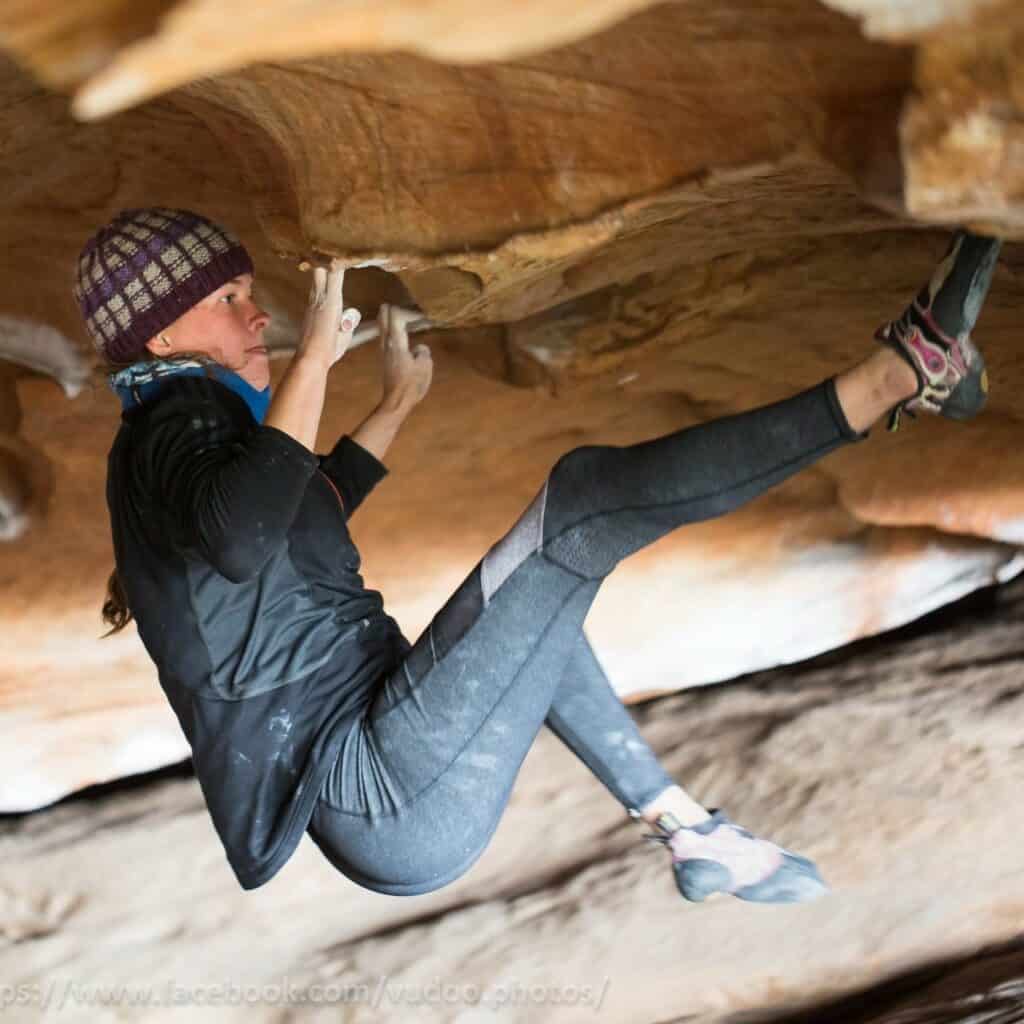
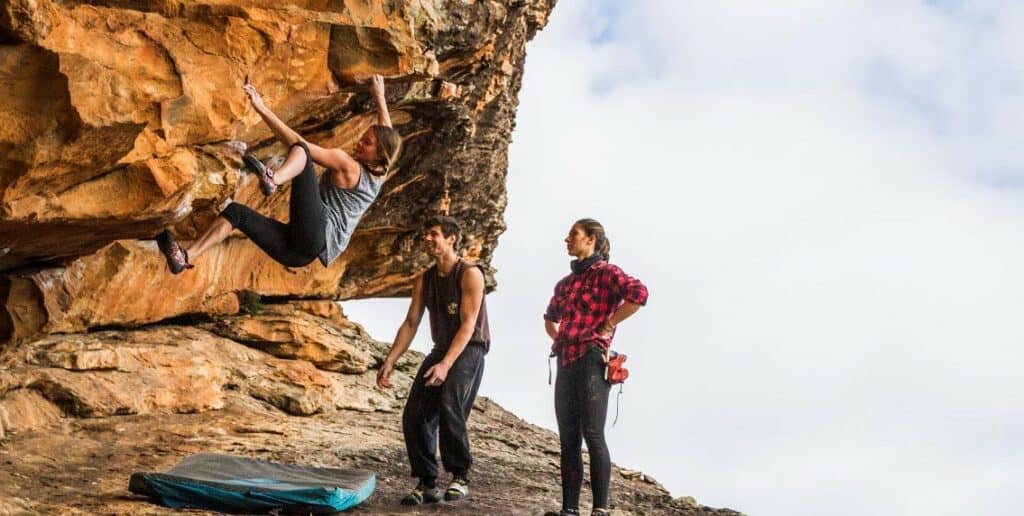
3 weeks of bouldering in the Rocklands, just under 4 months of hiking and traveling without climbing, working abroad, followed by climbing in the Grampians: After 7 weeks of bouldering in southeastern Australia, my shoulder reported pain for the first time again 1 year post-op. No problem: spend 2 weeks off traveling around Rum and then back to the national park with a little more variety: the combination of trad, sport climbing, and bouldering is definitely the more shoulder-friendly mix, and at first, everything was fine again.
The shoulder pinches
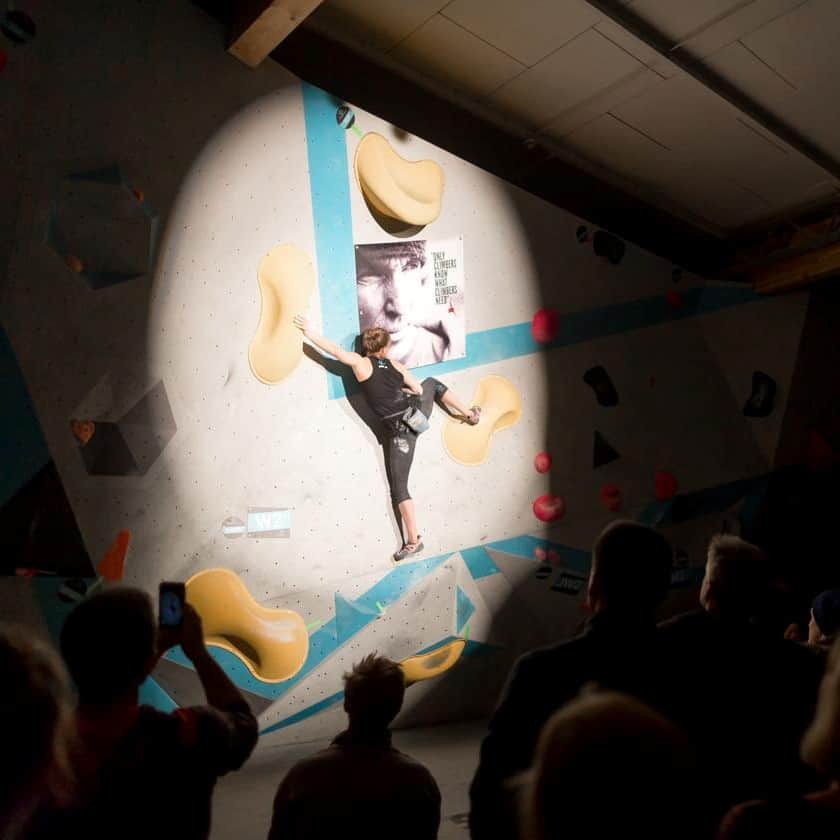
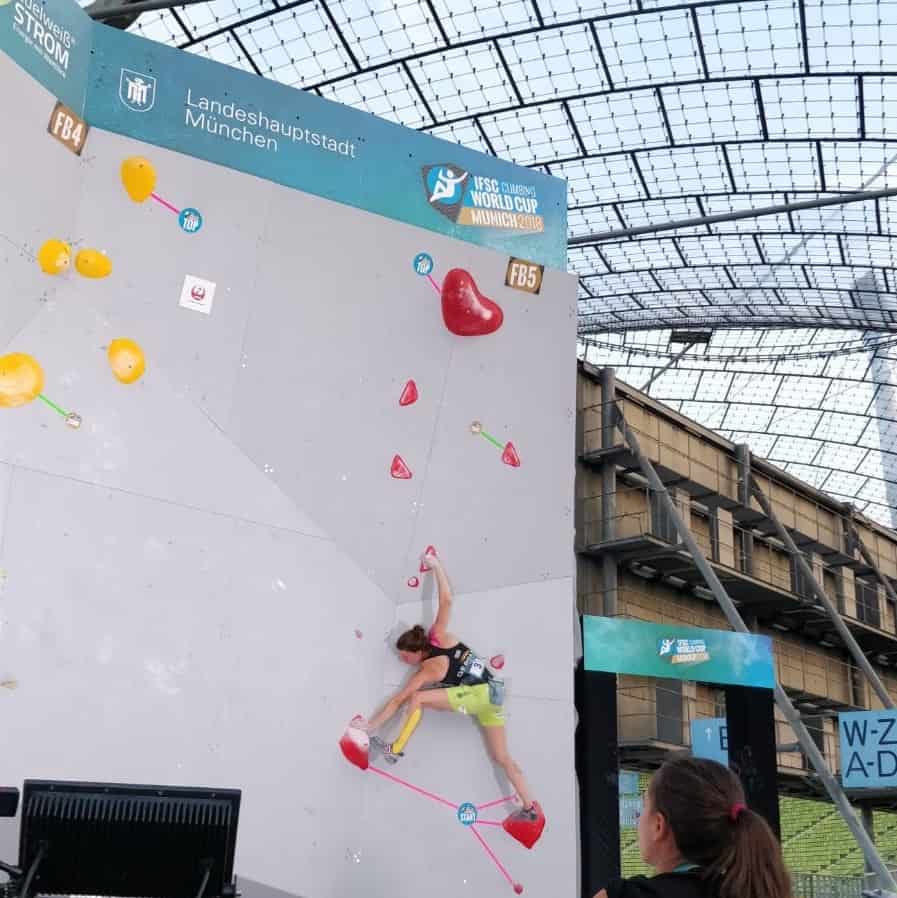
Back in Germany, 2018 brought a great competition season. My 3rd place at the South German Championships and 4th place at the German Championships were rewarded with a long-awaited World Cup start. Just a few weeks before, my shoulder started causing problems again. So I made up my mind: I wasn't going to miss the World Cup start, and afterwards I would take a 2-3 week break. So be it. The unfortunately shoulder-intensive World Cup qualifiers were a lot of fun, and I am very grateful for this experience. I also stuck to my break. However, 2-3 weeks turned into 2-3 months, and things got worse instead of better. Eventually, even wiping the table became painful. So the game started all over again. Checking out doctors, being patient, staying optimistic. MRIs, CT scans, X-rays... after some searching, since it was quite difficult to see, the diagnosis was: a small screw from the first surgery (which was actually supposed to stay in) had loosened, was pressing almost on the cartilage, and caused a severe inflammation. It was immediately clear: it had to come out again – op 2.0.
HIGHS AND LOWS
The second surgery in May 2019 went much more smoothly. Actually, I just had to wait out the wound healing. I didn't even need a sling and only had to go to physio instead of going through rehab. Only 100 percent mobility still didn't return.
After the World Cup, the surgery 6 months later, and the associated break, climbing receded into the background of my daily life for a long time. I hardly missed it and still always had my 7 days a week well filled. But the shoulder was always buried deep in the back of my mind as my secret worry. Am I more prone to osteoarthritis or other physical problems as I get older if I do nothing? Can I simply give up the mobility of my shoulder in my early twenties? The thoughts were always there, but I never pursued them. After 1 – 1.5 years of mostly not climbing, the bouldering gyms started seeing my face again 1-2 times a week. Meanwhile, we have also arrived in the year 2020, and everyone knows what made all our lives difficult this year  Masks, lockdowns, and so on. So regular bouldering was gone again.
Finally sleeping comfortably on the operated shoulder again
Time passed, and then my family brought me enthusiastic reports about an osteopath. My attitude towards reputations was by now very critical, as I had experienced quite a few disappointments. However, my ears were pricked and my interest was piqued. At the same time, I had spoken with some about injuries and health during this time, and we always came to the same conclusion: your health should be important to you. Why do we take time and money for many things that are less important than health? So I decided to give the whole thing a chance on short notice.
The treatment was exciting, I knew some of it, much of it was new to me. I immediately liked that I was examined from my little toe to the tip of my nose. It became interesting when he said, "You didn't need the surgery 6-7 years ago at all." Wait, stop, what is he saying? I was told that the body suffered a trauma from the accident back then, and the body then reacts with protective mechanisms, which was not new to me either. What was not clear to me, however, was that the body then has to be basically "reset". More specifically, the displaced vertebrae, hip, etc. have to be brought back into their correct position so that everything can regenerate. So, for example, my hip was crooked, which also affected the neck and the shoulder, etc. So everything that was crooked was gently, without cracking or pain, brought back into alignment. I was not completely convinced yet, and when I left the room, I felt unchanged.
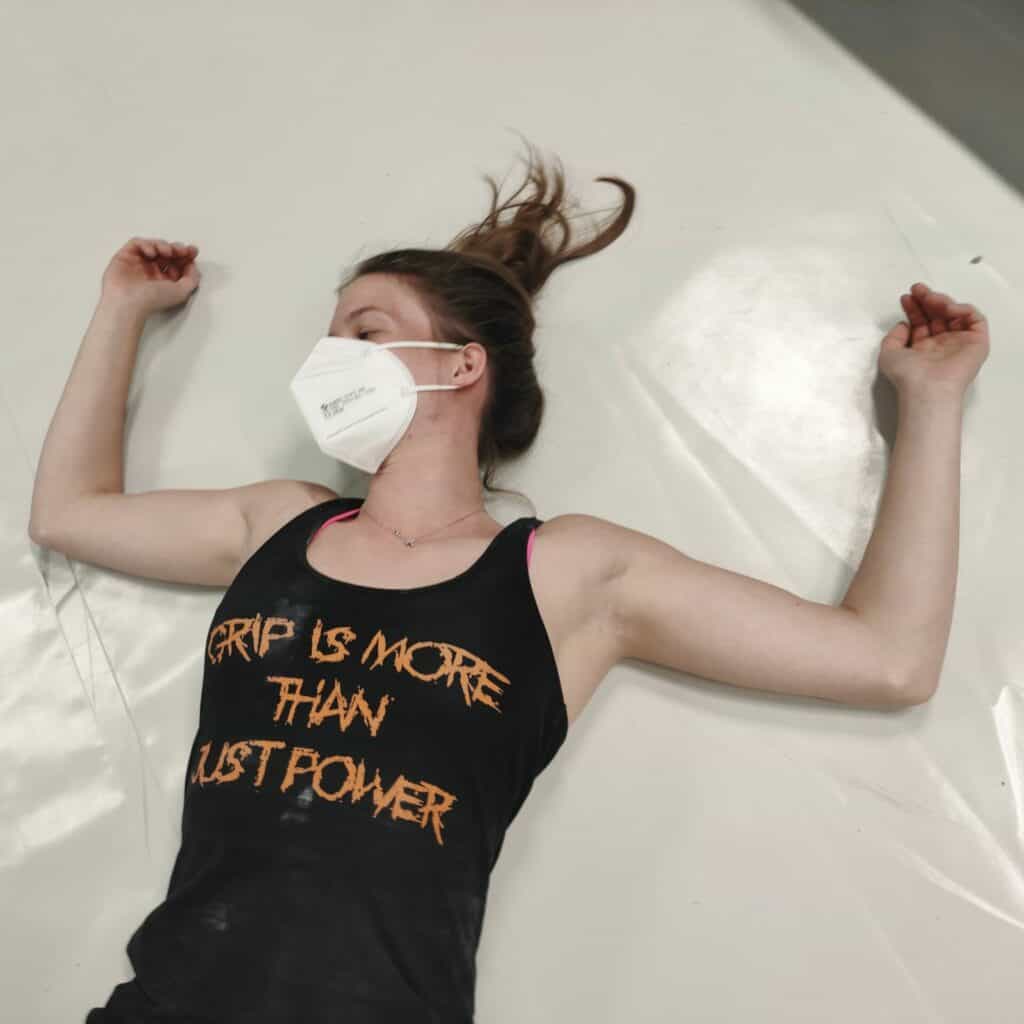
The next day I was blown away: my shoulder felt 10 kg lighter, I had comfortably slept on my operated shoulder, a friend wanted to do me a favor and massage me, but there was nothing to massage, and after bouldering it suddenly occurred to me: how is my mobility actually doing. So I did the tests of tests. Never before had 6 years of unsuccessful stretching been so delightful: back on the mat, arm at shoulder height, bend the arm, I STILL TOUCH THE MAT! With a lump in my throat, I was so happy about this "success experience" as if I had just bouldered 8b. Wow. I can move my arm freely again. Proud as a peacock, I told all my friends that I now mastered this movement again after 7 years! Over days and weeks, I repeatedly did the test to make sure that it would stay that way. 6 months after the appointment and over 6 years later, I can now say: my shoulder is mobile again.
3 things I would do the same and 3 I would do differently
If I could undo everything, I would
- get more opinions from physios and osteopaths
- go to a university clinic, since there not one doctor but several doctors, students, etc. would have looked at my shoulder. No doctor in this world is perfect and sees, knows or knows everything
- try, if possible, a way without surgery. If it had still been like that with the mobility, I would pursue the whole thing more intensively to enable a full recovery.
- do rehab again like back then. That was great and did me good. In addition to the helpful training for the shoulder, rehab gave me motivation, occupation, and confidence.
- go to physio again continuously and for as long as possible. That gave me confidence, security, and support, and offered me a point of contact when I was unsure what I was allowed to do, should do, or refrain from doing, or if something pinched again.
- perceive and communicate my pain again. You quickly push yourself again in your performance or get pushed by others. If you feel uncomfortable, have pain, or anything else, then you just have to give it a rest, skip a boulder,... if I had always listened to others, some things would probably have gone worse. You know your body best!
Thank you
Without support, I certainly would not be doing dynos and handstands without complaints now. Therefore, a thank you goes to all the doctors, physios, and osteopaths, and every single person who has helped me get this far. Special help I received from my parents, who enabled me to have osteopathy appointments, endured my moods, and took care of me in many small everyday things.
As a training partner and encourager, Sebi stood by me from the beginning, for which I am very grateful.
I was able to share my "misery" especially with Pema, who had gone through something similar, but even worse, and therefore understood me in everything.
Later my husband joined, who always tries to enable me everything, be a counselor and listener, and brings a lot of joy into my life, even if a climbing break is sometimes needed.